Customize Windows safely with the settings already built in
Windows provides native controls for color, contrast and transparency, while altered system installers demand a much higher level of caution.
 By
Marcus Delaney
By
Marcus Delaney
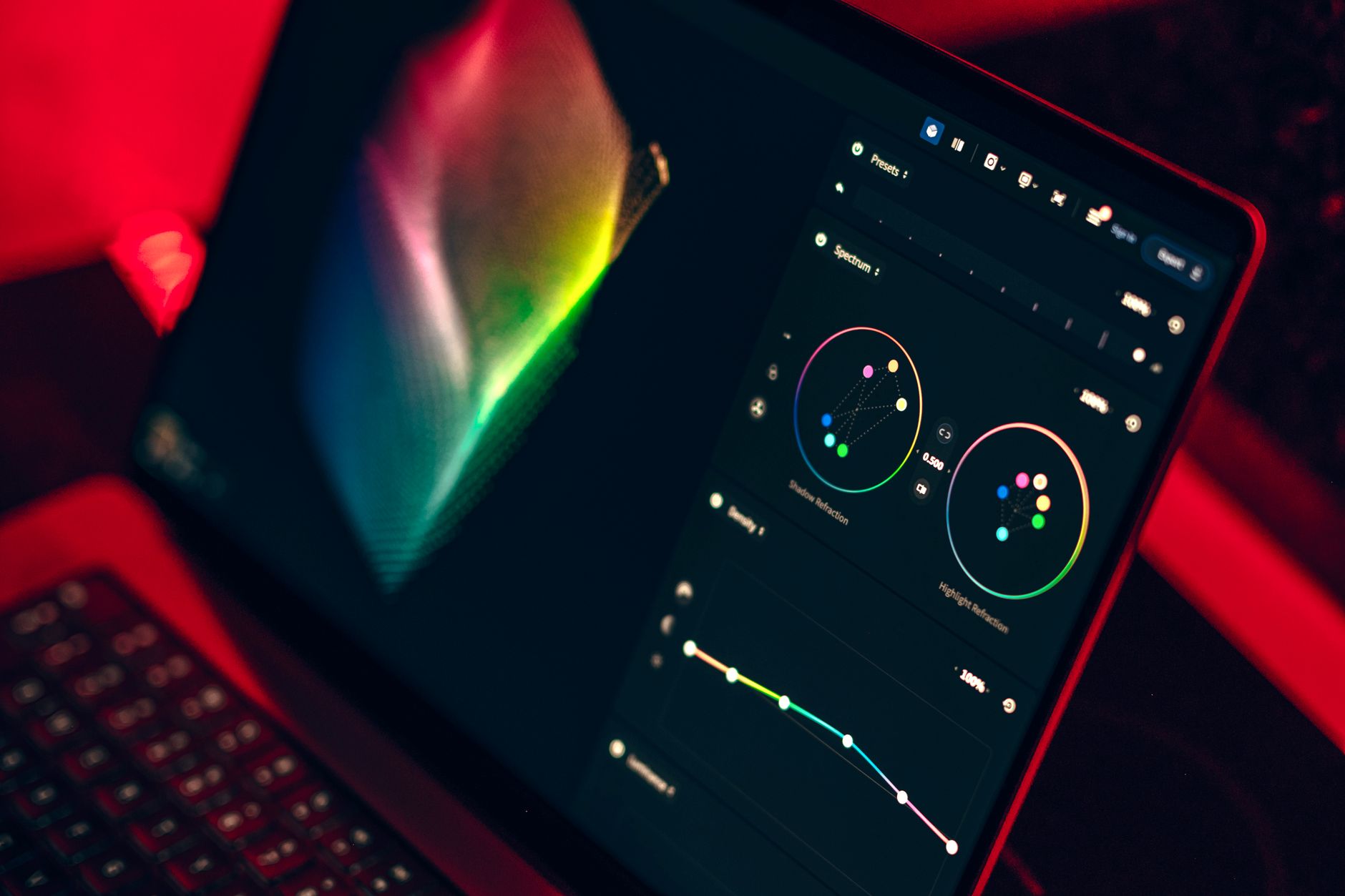
Changing the appearance of Windows does not have to begin with a download. Microsoft’s own settings cover color modes, accent colors, transparency, contrast themes and color filters. Those controls will not satisfy every aesthetic ambition, but they are a sensible first choice because they adjust the system through options Windows already provides rather than replacing its installation image.
In brief
- Windows offers Light, Dark and Custom modes, with independent app support varying by program.
- Accent colors can be automatic or manual, with some display options tied to Dark or Custom mode.
- Contrast themes and color filters support visibility and color differentiation needs.
- Modified installers and lookalike download sites require source verification before use.
Start with color mode and accents
Microsoft describes three color-mode choices in Windows: Light, Dark and Custom. Custom allows separate choices for Windows and supported applications. That final qualification matters. Microsoft says some apps can set their appearance independently and not every app supports dark mode. A bright app after a system-wide change may simply need its own setting adjusted.
In the Windows personalization color settings, the accent color can be selected automatically from the background or chosen manually from recent colors, Windows colors or the detailed color picker. Microsoft says the accent can be shown on title bars and window borders. It can also appear on Start, the taskbar and the notification center, but that option is available only with Dark or Custom mode.
That is enough to make a visible change without touching an installer, a bootable image or a system component. Decide what you actually want to change first. A different general brightness calls for a color mode; stronger interface emphasis calls for an accent color. This keeps the adjustment proportionate to the result.
Use accessibility settings as design tools
Personalization also has a readability dimension. Microsoft’s guidance describes contrast themes, which improve the visibility of text and interface elements through distinct color combinations. It also describes color filters that change the on-screen palette to help users distinguish elements that differ only by color.
After changing a palette, inspect the Windows surfaces and the applications used every day. The supplied Microsoft page makes clear that application support varies, so a system setting cannot guarantee the same result everywhere. If transparency is not helping, turn it off. Microsoft describes the effect as making some backgrounds and window surfaces slightly transparent with an acrylic blur.
These built-in controls are reversible. That makes experimentation less consequential than a change which modifies the Windows installation itself. More tips are available in our Windows guides collection.
Why modified ISOs deserve a different level of scrutiny
A customized Windows ISO is not merely another theme. It is an altered installation image. Tom’s Guide France warns that modified images can contain malware, including rootkits, and that the risk can arise before the operating system is fully operational. The article contrasts them with traditional Windows images obtained directly from Microsoft, which use measures such as digital signatures to check authenticity.
This does not establish that every modified ISO is malicious. It does establish a meaningful difference in trust: the person or group creating a modified image has changed the starting point of the operating system. A visual claim about privacy, speed or decluttering does not reveal every component that was added, removed or altered.
The practical distinction is straightforward. Changing a native color setting affects the interface through Windows. Booting from a third party’s modified ISO replaces the installation source. Treat the latter as an operating-system decision, not as a simple customization download.
Lookalike download pages add another risk
The risk is not confined to custom images. Journal du Geek reported that a fraudulent site imitating Flyoobe’s official domain offered a modified version of that software. The report says Flyoobe is used to help move unsupported PCs to Windows 11 and can alter parts of the setup. Its developer warned that the imitation site was unrelated to the project and that the executable might be altered or infected.

The episode is a reminder to verify the source of any tool that changes Windows setup or core configuration. A plausible domain and polished page do not demonstrate that a download comes from its claimed developer. Journal du Geek reports that tools with full operating-system access are attractive targets because a compromised copy can appear to work while exposing the user to harmful software.
Before downloading an optional utility, locate the developer’s stated distribution page and compare the domain carefully. Where a developer publishes signatures or checksums, use them as part of that verification. If the origin cannot be established, do not install the executable.
Keep the decision proportional
For an interface that feels too bright or too dark, start with Light, Dark or Custom. For stronger visual identity, use the accent controls. For clearer differentiation, test contrast themes or color filters. For less visual layering, disable transparency. These are all options described in Microsoft’s documentation.
Tom’s Guide France presents post-installation scripts as an alternative to a third party modified ISO because they can be examined after Windows has been installed from an official image. That observation does not certify every script or make every modification safe. The supplied material does not establish a current independently tested list of tools that should be recommended.
On a work or school device, follow the relevant policy before installing software or changing system configuration. For personal devices, the most reliable baseline is to exhaust Windows’ own appearance controls before considering software that changes how the operating system is delivered. Microsoft’s Windows color and accessibility guidance, the Tom’s Guide France report on modified ISOs and Journal du Geek’s Flyoobe warning support that cautious approach.
Featured image. Source: Pexels. Credit: Egor Komarov. License: Pexels License.