PS5 or Xbox Series X: choose beyond the teraflop debate
The PS5 and Xbox Series X differ in storage, compatibility and controller design, but their headline hardware figures are only part of a useful choice.
 By
Jenna Kowalski
By
Jenna Kowalski
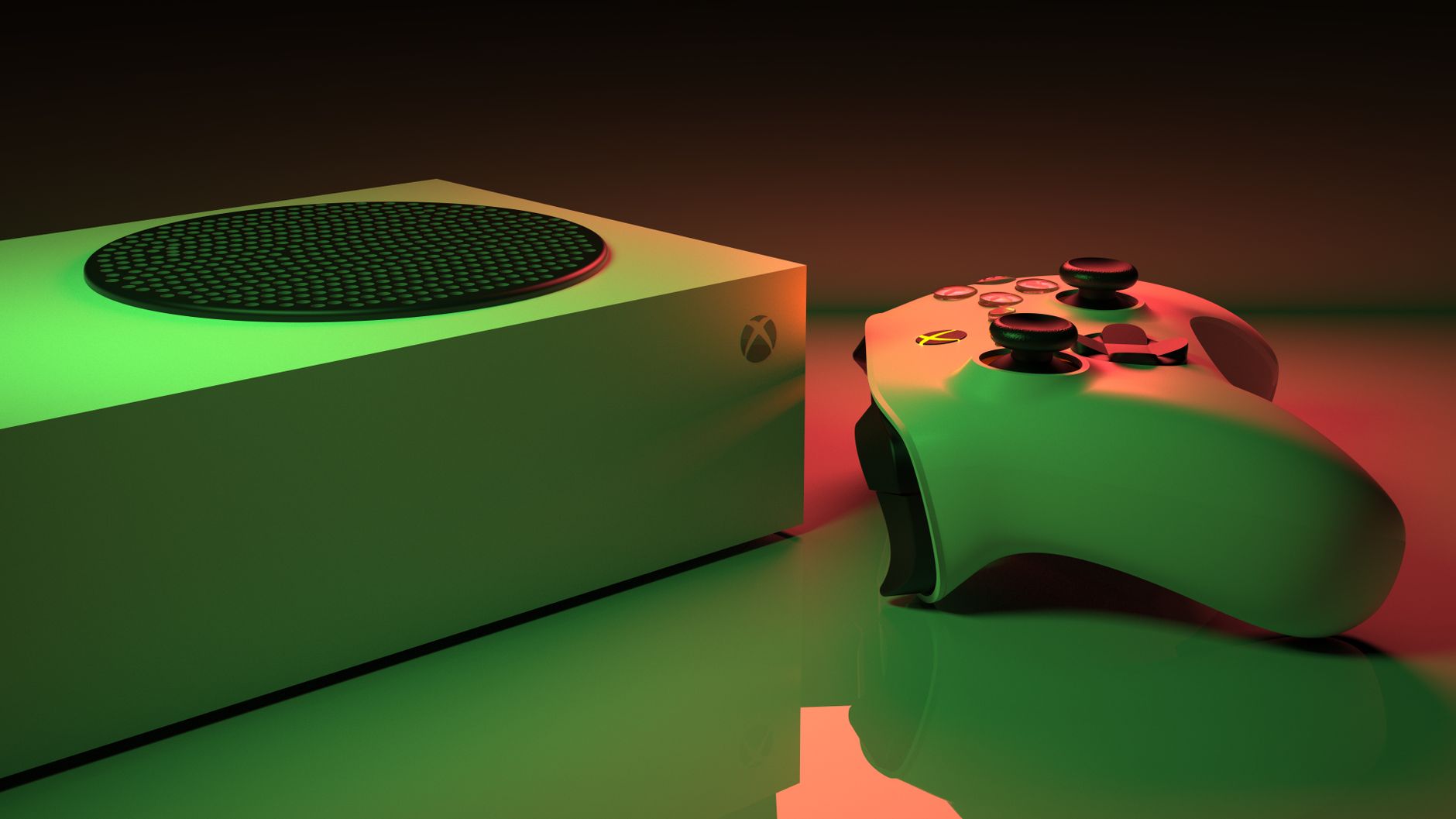
Comparing the PlayStation 5 and Xbox Series X can quickly become an argument about one specification. The Xbox has the larger quoted graphics figure, while the PS5 is described with a faster custom SSD read speed. Both facts are useful, but neither settles how a particular game will look, load or feel. The supplied comparisons repeatedly make the same wider point: hardware design, software optimisation and the games a player actually wants to revisit all belong in the decision.
In brief
- The supplied comparisons list a 12 teraflop Xbox GPU and a 10.28 teraflop PS5 GPU.
- Xbox Series X has the larger stated internal SSD capacity, while PS5 has the higher quoted read speed.
- Compatibility claims should be checked against the exact older games a player intends to keep.
There is no single winner hidden in a specification table. The more practical question is which machine best fits a library, a display and the way someone plays. Storage, backward compatibility and controller features are not side notes. They are the details that shape the everyday experience after the console has left the box.
Raw power is context, not a verdict
CampusTech describes both consoles as using custom AMD Zen 2 processors and RDNA 2 graphics. Its figures put the PS5 at 10.28 teraflops, with 36 compute units reaching up to 2.23 GHz, while the Xbox Series X is listed at 12 teraflops, with 52 compute units at 1.825 GHz. Cosmo Games likewise lists an eight core, 16 thread Zen 2 processor and a 12 teraflop RDNA 2 GPU for the Xbox Series X.
Those numbers explain why the Series X is often called more powerful on paper. They do not prove a fixed visible advantage across finished games. ActuGaming notes that optimisation of the console and games, as well as clock speeds, influence results. CampusTech reaches a similar conclusion, saying the higher Xbox figure does not necessarily produce a significant difference in games. A hardware label alone cannot predict every frame rate, image setting or performance mode.
The same caution applies to display features. Cosmo Games describes the Series X as targeting 4K at 60 frames per second, with 120 frames per second for some titles, plus support for real time ray tracing and variable refresh rate. These are capabilities described for the platform. They do not mean every game delivers each feature together, and the benefit of a feature still depends on the connected television or monitor.
Storage reveals two different priorities
The storage comparison is clearer when capacity and speed are kept separate. CampusTech lists a custom 825 GB SSD for the PS5 and says it can reach 5.5 GB per second in reading speed. The same source gives the Xbox Series X a 1 TB NVMe SSD with a stated read speed of up to 2.4 GB per second. Its comparison characterises the Xbox drive as larger and the PS5 drive as faster.
Expansion is also handled differently in the supplied material. CampusTech says the Xbox can use proprietary 1 TB Seagate expansion cards with the same performance as its internal SSD. Cosmo Games mentions a proprietary expansion slot, while its technical list also includes USB ports for accessories and external drives. The PS5 article refers to compatible M.2 SSD expansion, though it presents the related software support as a future update in its original comparison. That timing language is one reason these launch era extracts should not be treated as a current purchasing guide for accessories.
What the sources do support is a simple principle: the size of a game collection changes the importance of storage. A player who keeps many titles installed may value the larger stated internal capacity. Someone focused on the PS5 storage design may care more about the higher quoted read speed. Neither priority is abstract once a library starts filling the drive.
Older games are part of the choice
Backward compatibility is one of the sharper differences in the source material. CampusTech says the PS5 is compatible with a majority of PS4 games and with PlayStation VR. For Xbox Series X, it describes compatibility across Xbox, Xbox 360 and Xbox One games, along with Smart Delivery. Under that feature, participating games can be bought once and used on Xbox One and Xbox Series X with the appropriate version supplied for the hardware.

ActuGaming offers an important qualification. It says the exact backward compatible Xbox catalogue was not known in the context of its launch coverage. That caveat should not be discarded. Broad platform claims are useful, but a player returning for a particular older game should verify that exact title rather than assume every release is covered. The same individual check makes sense for a PS4 collection, especially if it includes accessories or editions that matter to the owner.
For ongoing gaming coverage, readers can explore our gaming articles and guides. The useful purchase list is personal: write down the games that matter, then compare their availability rather than treating compatibility as a trophy in a platform debate.
Controllers and services change the daily feel
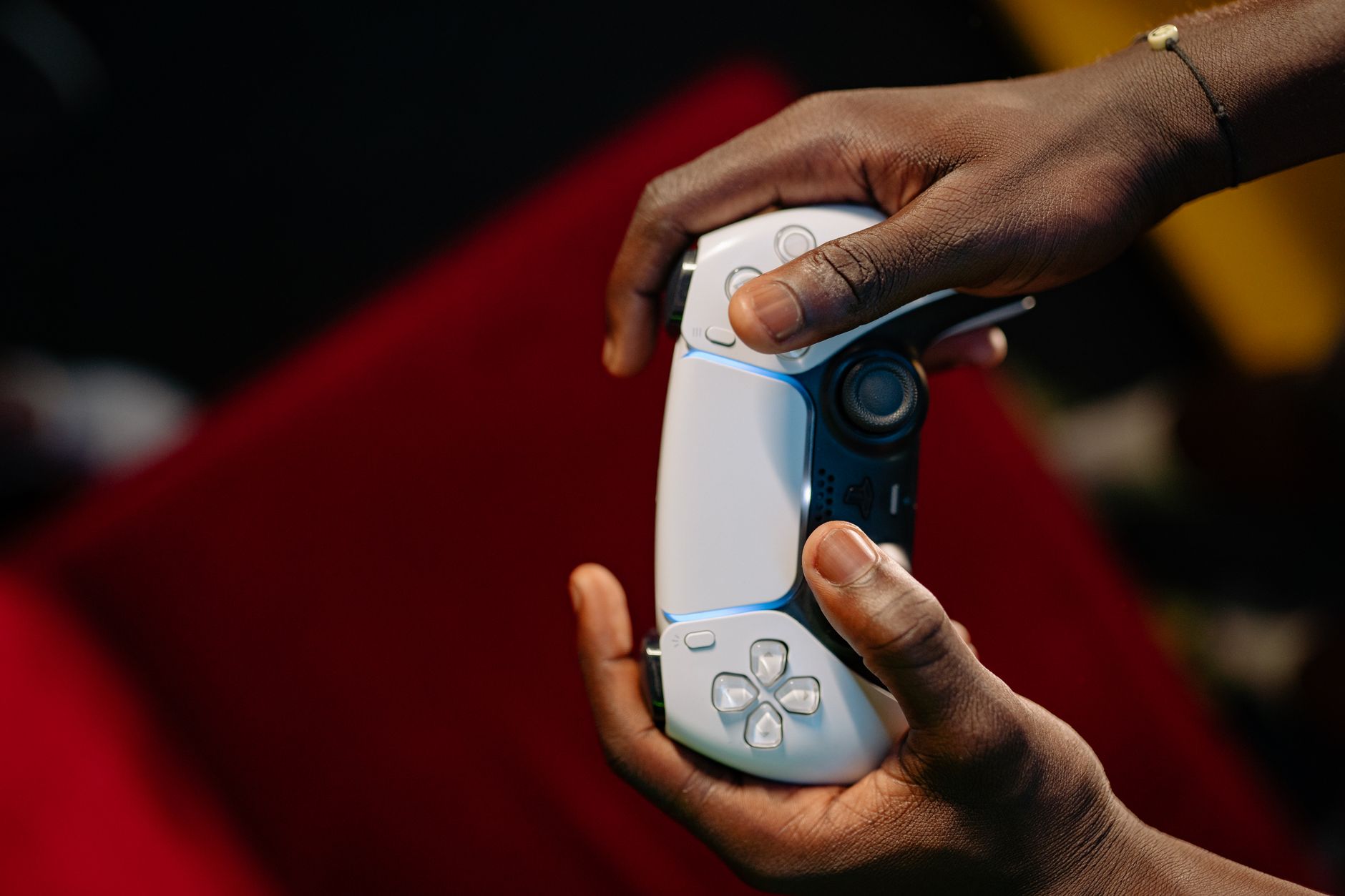
The supplied sources also describe different controller priorities. ActuGaming says the Xbox controller introduced a hybrid directional pad and a Share button for captures or streaming. Its description of Sony’s controller focuses on adaptive trigger resistance and haptic feedback. These are not measurements of which console is universally superior. They are distinct approaches to how games are handled and felt.
CampusTech advises considering exclusive games and online services alongside the hardware. That is sound advice within the limits of the evidence. A player may care most about a familiar multiplayer community, a preferred catalogue, or the games available on one platform. The extracts do not provide a current service catalogue or a complete list of releases, so they cannot support a broader recommendation on subscriptions or exclusives today.
The best comparison therefore starts with verified needs. Check the games already owned, the older titles worth keeping, the screen in use and the amount of installed storage likely to be needed. Then read graphics figures as one part of the picture. The Series X has a higher quoted teraflop count and more stated internal storage in these comparisons; the PS5 has a faster quoted SSD read speed and PS4 compatibility for a majority of games. Those facts are valuable precisely because they help narrow a personal choice instead of pretending to make it for everyone.
Verified references
- Xbox Series X : spécifications, rétrocompatibilité et consoles de nouvelle génération
- Comparatif PS5 versus Xbox Series X : puissance, memoire et caracteristiques
- Comparatif PS5 / Xbox Series X : spécifications techniques et compatibilité entre générations
Featured image. Source: Pexels. Credit: Imthiyaz Syed. License: Pexels License.