How to plan a useful first home lab
A first home lab becomes easier to manage when it begins with real needs: shared files, device backups, photo storage, or simple synchronisation across a household.
 By
Andrés Salcedo
By
Andrés Salcedo
A first home lab does not need to begin with a rack or a long list of applications. It can begin with a question: which everyday task should live closer to home? The supplied accounts from Framablog and Tom’s Hardware France point to the same starting point: identify needs before selecting tools. For a household, that may mean one place for files, a synchronised folder, automatic photo copies, or controlled sharing with relatives.
In brief
- Start with the household task that needs solving, then choose only the services that support it.
- A NAS can centralise files and backups, but its software and remote-access options vary by model.
- Phone photo copying and complete mobile-device backups are separate needs in the supplied comparison.
Define the job before choosing the machine
Personal-cloud systems can bring together storage, file sharing, public or private links, photo galleries, media access and folder synchronisation. Tom’s Hardware also notes that some NAS systems can host shared calendars and contacts. Those possibilities are useful precisely because they are not all required at once.
Write a short list of the tasks that matter now. A shared archive for household documents is one task. Sending phone photos to a central location is another. Synchronising a work folder between devices is different again. Treat each as a separate requirement, then decide which one belongs in the first version. This prevents a broad idea of “self-hosting” from turning into an unclear collection of features.
The Framablog testimony describes an association that first examined its existing use of technology, then selected the software it needed. Its priorities included restoring usable workstations, improving basic digital skills, moving mail away from Gmail and creating a private cloud for storage and sharing. The setting is not a home, but the sequence is relevant: understand the situation, set priorities, and introduce change gradually.
That gradual approach also leaves room for people. In the account, demonstrations did not instantly remove every hesitation, and compatibility constraints remained for some equipment and document formats. A home lab should make room for the same reality. A service is only useful if the people who need it can use it reliably.
For more practical technology reading, explore the GeekCosmos guides section.
What a NAS can provide
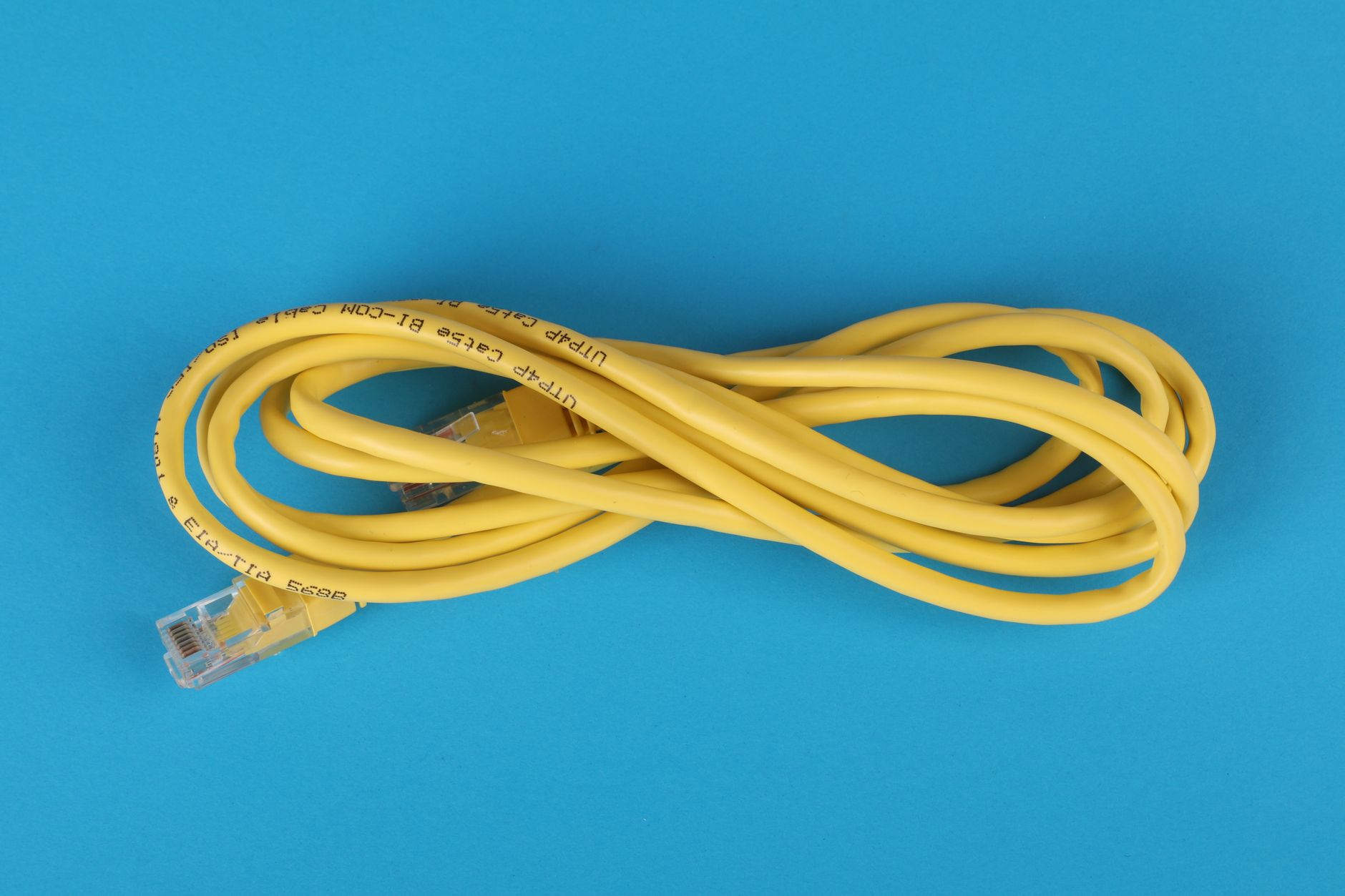
Tom’s Hardware defines a NAS, or network-attached storage device, as shared storage on a network. It commonly contains one, two or four drive bays, connects through Ethernet, and appears to computers on the local network as a place to store or retrieve files. Modern NAS devices also run operating systems whose basic functions can be extended with optional applications.
That makes a NAS a plausible foundation when central storage is the main aim. The comparison describes different software approaches among Synology, QNAP, D-Link, Netgear, Western Digital and Buffalo. Its findings underline a practical point: similar-looking appliances do not necessarily offer the same interface or the same functions. Some tested systems offered PC folder synchronisation, while others provided access to shared folders without that synchronisation feature.
Start by matching the appliance to the required service rather than to the longest feature list. If a shared folder and computer backups are the priority, assess those functions first. If photo galleries matter, look at how the system handles a collection of images. If video is part of the plan, distinguish mobile-app playback from web playback, because the tested devices did not all provide the same options.
Storage needs a recovery plan
Centralising files has an obvious attraction: a personal cloud can gather data from several devices in one place. Tom’s Hardware notes that NAS devices can back up PCs, Macs, external drives and USB keys. It also makes an important distinction for phones: the tested systems could automatically save captured photos and videos, but they did not back up the full mobile operating system.
That distinction should shape the plan. Decide which material belongs in the central store and which devices need their own backup process. A photo-copy feature may cover recent images without replacing a complete phone backup. Likewise, a NAS can be a destination for a computer backup without making the files on the NAS safe by definition.
Keep the first setup legible. Name the folders clearly, decide who can access them, and make a small record of the devices and applications involved. The Framablog account found that bringing an association’s data together in Nextcloud went more smoothly than expected, partly because people could finally locate material that had been difficult to find before. Order can be a genuine benefit of centralisation, but only when the structure stays understandable.
Remote access deserves a deliberate choice
Many of the NAS devices in the comparison can be reached from outside the home through manufacturer gateways, and several support FTP or WebDAV. The access model differs by product. In the tested group, some systems exposed a broader administration interface remotely, while others limited remote use by default to file browsing.
Before activating access from outside the home, establish what it is for. Sharing a single file with someone is not the same need as reaching an entire archive while travelling. The comparison says all of the tested NAS products could create file-sharing links, either public or restricted to specific people. That gives a first lab a concrete, bounded use case for sharing without assuming that every service needs to be reachable everywhere.
A personal cloud can also involve an upfront commitment. Tom’s Hardware describes both financial and time costs for an entry-level NAS setup, as well as configuration work. The useful first project is therefore the one with a clear payoff: a service you will use, understand and revisit, rather than an ambitious system that remains unfinished.
Build confidence through small changes
The strongest lesson in the two supplied sources is modesty of scope. Framablog’s migration advanced through priorities, demonstrations and support, not through a single sweeping replacement. Tom’s Hardware frames the personal cloud as a way to tailor storage and sharing around actual needs. Put those ideas together and a first home lab can remain simple: begin with one well-defined service, learn how it works, then add another only when it answers a real request.
Featured image. Source: Pexels. Credit: Medhat Ayad. License: Pexels License.