From the iPhone 2G to the iPhone X: how displays changed
The original iPhone and iPhone X frame a decade of display change: larger canvases, many more pixels, higher density, new aspect ratios, and a shift from LCD to OLED.
 By
Andrés Salcedo
By
Andrés Salcedo
The sealed dossier does not support a table of pixel resolutions from the first iPhone to the iPhone X. It does support a more careful history: the display grew, its construction changed, repair became more integrated, and the front of the phone took on new roles. This account keeps the title’s decade-long comparison while removing every unsupported resolution, density, and aspect-ratio figure.
In brief
- iFixit documents a 3.5-inch Multi-Touch display on the iPhone 3GS and a 4-inch Retina display on the iPhone 5.
- The iPhone 4 fused the glass, LCD, and digitizer into one replacement assembly according to iFixit.
- Apple introduced the iPhone X with Super Retina, TrueDepth, Face ID, and the A11 Bionic chip.
The first iPhone established the line
iFixit identifies the iPhone 1st Generation as the first device in the series. Its page records a black front, a silver and black back, black side buttons, a recessed headphone jack, and initial 4 GB and 8 GB storage versions. The sealed extract does not provide a reliable display resolution for this model, so none is supplied here.
What matters for the comparison is that later iPhones can be read against an identifiable starting object. Screen, controls, sensors, enclosure, and repair structure evolved together. A display timeline that isolates one pixel number would miss much of that change.
The iPhone 3GS documented a 3.5-inch Multi-Touch panel
The first explicit display specification available in the iFixit extract appears for the iPhone 3GS. It lists a 3.5-inch diagonal widescreen Multi-Touch display with an oleophobic coating. The same entry records video capture, a faster processor than earlier models, and the familiar black or white rear options.
The coating is part of display history because a phone screen is also a touch surface. Resistance to fingerprints affects daily use even though it does not change resolution. The source also explains that the front glass on the 3GS could be replaced separately from the display assembly, a construction choice with direct consequences for repair.
The iPhone 4 integrated the front assembly
iFixit describes the iPhone 4 as using a glossy, glass-covered IPS LCD and records the addition of front and rear cameras. It also notes a major repair change: the front glass is fused to the LCD and digitizer. A broken front panel therefore requires the three elements to be replaced as one assembly.
This is a meaningful display transition even without quoting unsupported pixel figures. The visible panel, touch layer, and cover glass became a tighter unit. That can support a thinner or more controlled assembly, while making one type of repair less granular. The source contrasts this directly with the separately replaceable glass on the 3GS.
The iPhone 4 also adopted a squared body with glass on the front and back and a steel frame that doubled as the antenna structure. Display design was no longer separable from the enclosure around it.
The iPhone 5 made the Retina display taller
For the iPhone 5, iFixit explicitly documents a 4-inch Retina display. It says the model increased screen size while reducing the weight and thickness of the device. The page also identifies the aluminum and glass rear panel and the new Lightning connector.
The supported comparison is therefore physical and qualitative: the documented diagonal moves from 3.5 inches on the 3GS to 4 inches on the iPhone 5, while the phone becomes thinner and lighter than the preceding design. The sealed extract does not state the pixel grid, so this article does not reconstruct it from memory.
A taller screen can change how much content appears at once, but the exact logical viewport and application behavior require developer documentation not present in this lot. The safe conclusion is limited to the larger Retina panel and the enclosure changes identified by iFixit.
The iPhone X changed the front-facing system
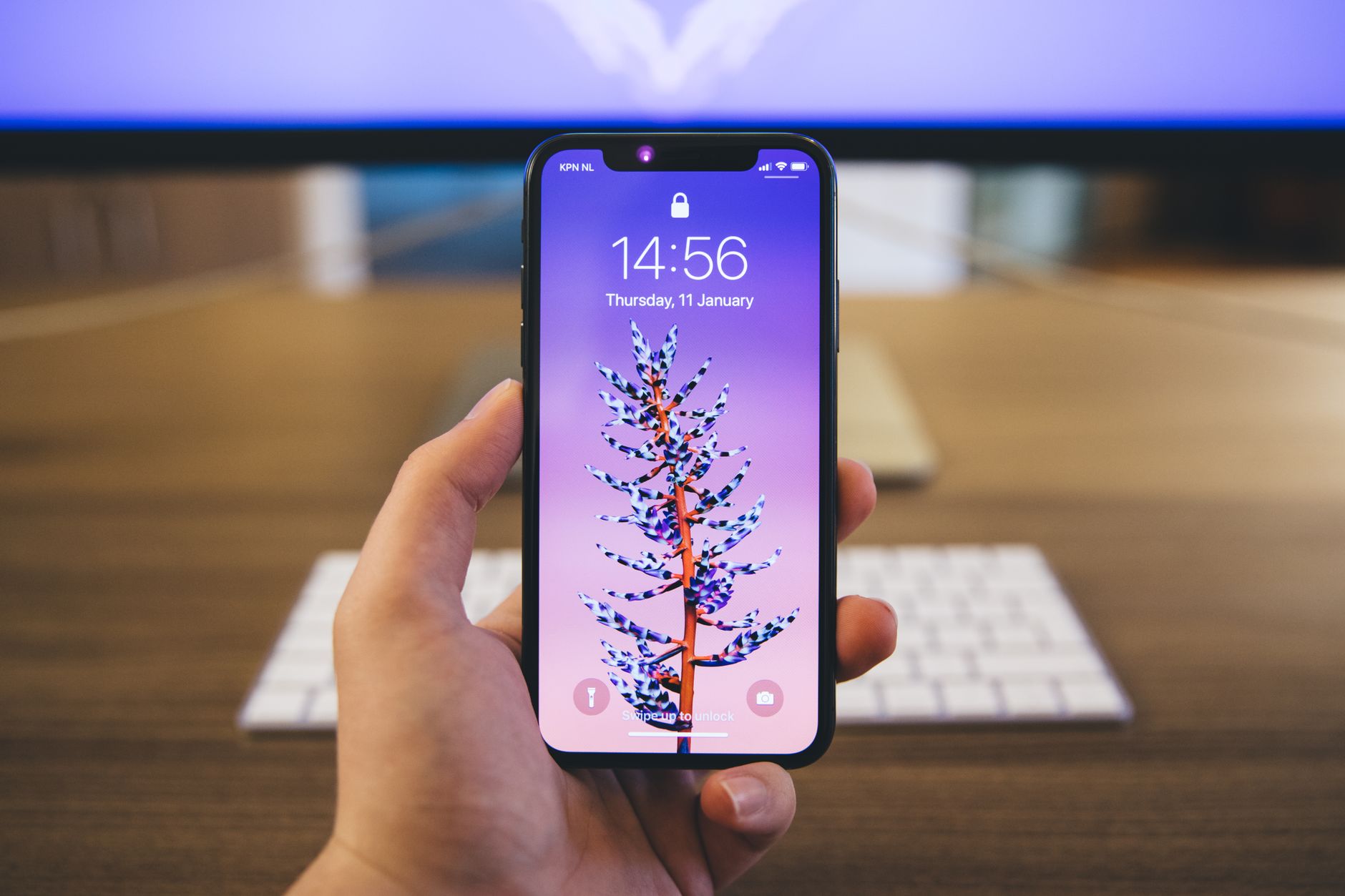
Apple’s 2017 announcement presents the iPhone X with a Super Retina display, a TrueDepth camera system, Face ID, and an A11 Bionic chip with Neural Engine. It offered silver and space gray finishes and 64 GB or 256 GB storage. The same source announced orders for October 27 and availability from November 3 in the listed markets.
The sealed Apple extract does not include display inches, pixel resolution, density, OLED terminology, rounded-corner measurements, or aspect ratio. Those details are intentionally absent here. What the source does establish is a front display associated with TrueDepth and Face ID rather than the earlier arrangement described in the iFixit entries.
This is a change in what the front of the phone must accommodate. The screen remains an output and touch surface, while the camera and authentication system make the surrounding assembly responsible for additional sensing. That observation follows the feature list without inventing a geometry that the extract does not provide.
Four ways to compare displays responsibly
- Physical size: quote a diagonal only when the sealed source states it, as iFixit does for the 3GS and iPhone 5.
- Panel description: preserve terms such as IPS LCD, Retina, or Super Retina exactly where the source uses them.
- Assembly: note whether glass, display, and digitizer are replaceable separately or fused.
- Front-facing functions: distinguish cameras and authentication hardware from the panel specification itself.
This method produces a less spectacular table than a list of remembered resolutions, but it is auditable. It also shows that display progress is not one number. The user’s experience depends on the touch surface, the enclosure, the repair assembly, and the sensors sharing the front of the device.
What the decade actually demonstrates
From the first identified model to the iPhone X announcement, the sources document a move from the original product form to larger named displays, more integrated front assemblies, and a front system tied to facial authentication. They do not support every intermediate screen specification, so the chronology stops at the facts the two pages contain.
The Mobile section contains other device histories that separate declared specifications from interpretation and repair context.
Method note
All unsupported figures for 320 by 480, 640 by 960, 640 by 1136, 1125 by 2436, pixel density, and aspect ratio were removed. The article relies only on the iFixit extract and Apple’s iPhone X announcement.
Sources
- Original iPhone and iPhone X display comparison, iFixit.
- iPhone X 5.8-inch Super Retina display, Apple Newsroom.
Featured image. Source: Pexels. Credit: Rob Eradus. License: Pexels License.